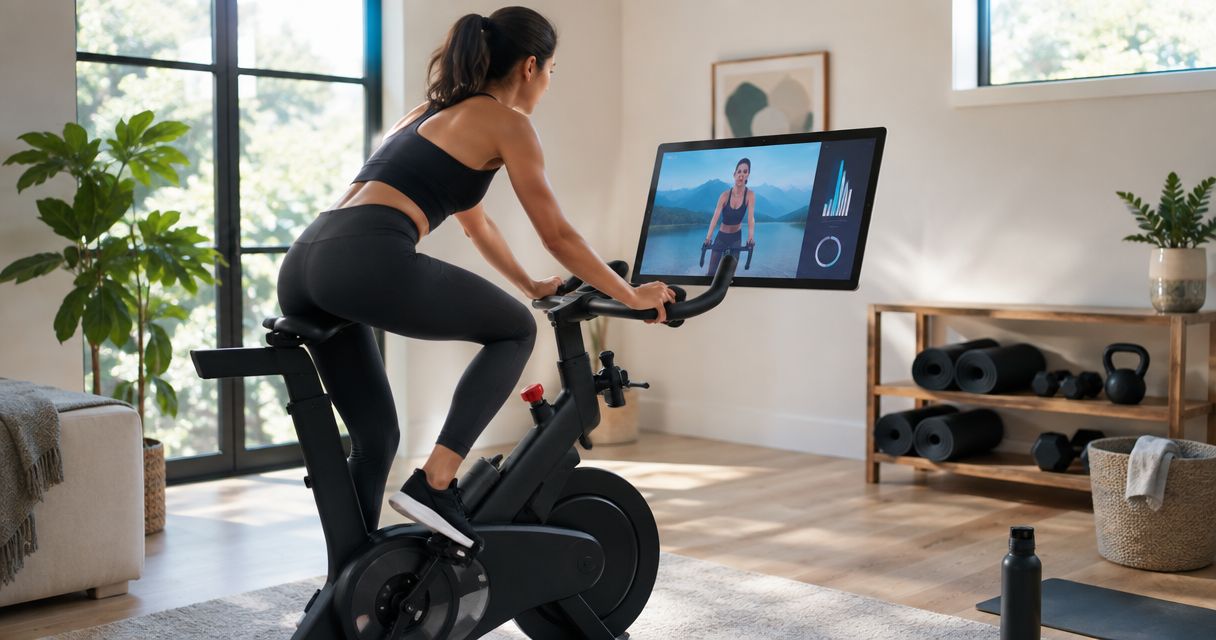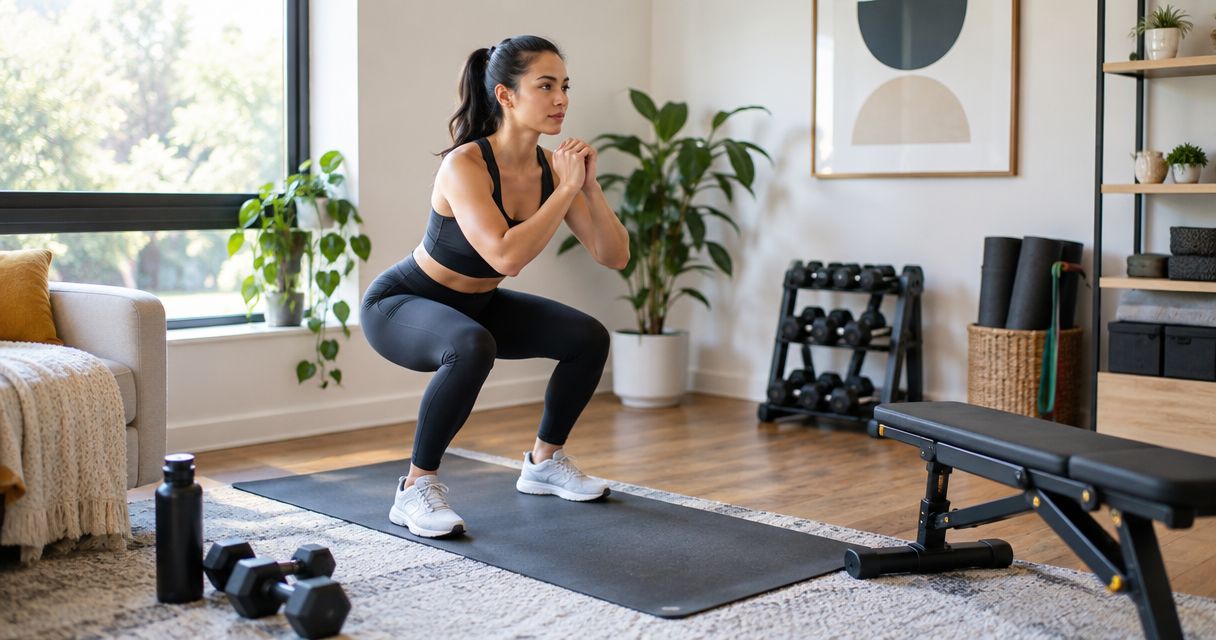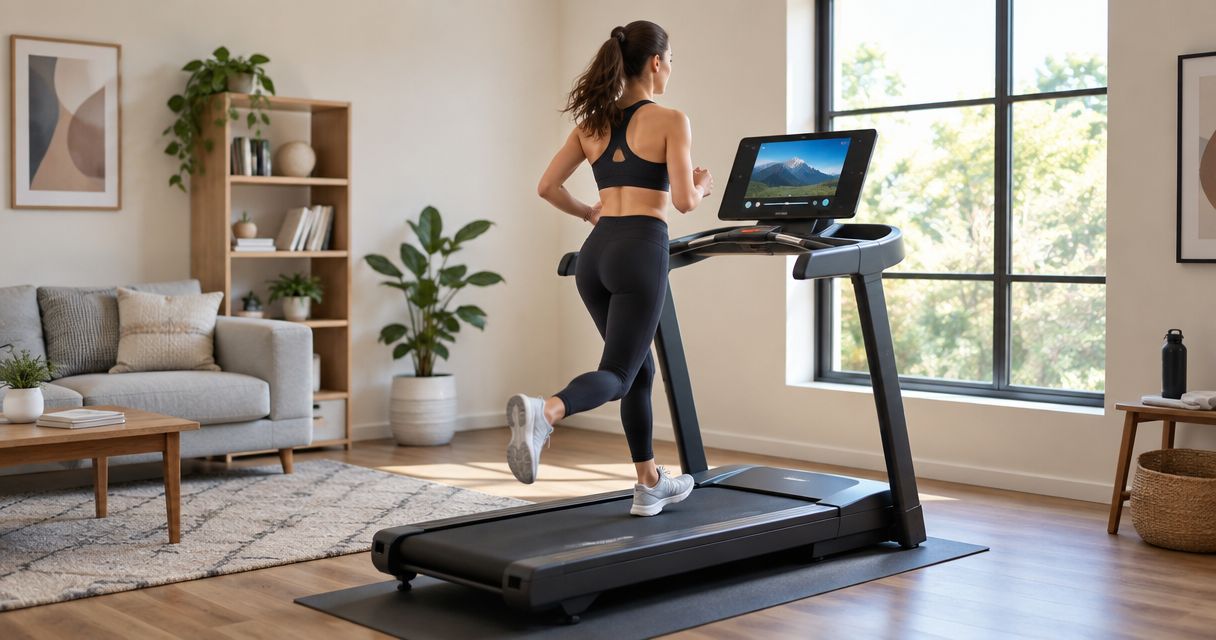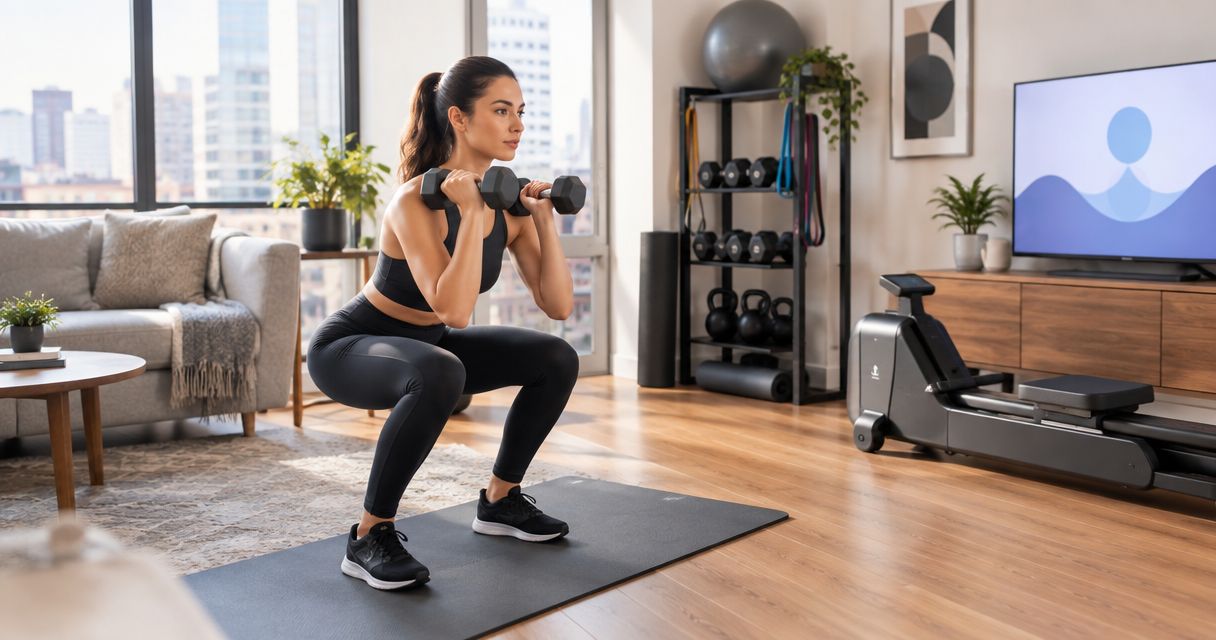
Best overall: adjustable dumbbells for strength training in one apartment-sized storage spot. Best for the smallest kit: resistance bands. Best for indoor cardio: a compact treadmill, but only after you check its operating space, storage space, access route and building rules. This 2026 guide ranks the best home gym equipment for apartments by how well each option fits the room and the workout.
- Adjustable dumbbells are the best home gym equipment for apartments when strength training is the priority.
- Resistance bands need the least dedicated storage space of the ranked options.
- A compact treadmill fits indoor cardio goals, but check its full operating footprint before choosing one.
- Home Gym Assembly is best for homeowners in Greater Philadelphia and New Jersey who need professional treadmill assembly.
Why this matters
An apartment gym has two footprints: the space equipment occupies while you use it and the space it occupies afterward. A bench can fold but still needs room to open. A treadmill can look manageable in storage but take over a walkway during use. Rank equipment by its operating footprint first, then its storage footprint.
The assembly decision is separate from the buying decision. Home Gym Assembly provides licensed and insured assembly and installation for home fitness equipment, including treadmills, Rogue power racks and Pelotons, for homeowners in Greater Philadelphia and New Jersey. That service addresses setup; it does not make a machine suitable for every apartment.
What makes the best apartment gym equipment?
Use these criteria before comparing equipment in 2026:
- Operating footprint: Measure the space you need to exercise, not just the equipment's listed dimensions. Include room to get on, get off and move through a full repetition.
- Storage footprint: Decide where the equipment goes after training. If that spot blocks a door or everyday furniture, the setup is not practical.
- Workout coverage: Pick equipment that matches the work you will do. A strength-focused buyer needs a different starting point from someone whose main goal is indoor walking.
- Setup requirements: Check whether the item needs assembly, attachment or a permanent position. Confirm building rules before any installation that affects the apartment.
- Noise and floor contact: Think about the exercise itself, not just the machine. Dropped weights and running create different floor impacts from controlled lifting or band work.
- Ease of access: Check the delivery route, doorway and place of use before choosing equipment that arrives in large components.
A useful 2026 buying order is to identify the exercise, mark the usable floor area and name the storage spot. If any of those answers is missing, a product listing cannot settle the decision for you.
Best apartment gym equipment at a glance
| Item | Best for | Standout feature | Key limitation |
|---|---|---|---|
| Adjustable dumbbells | Strength training without a rack | Multiple weight settings in one pair | Require careful handling and safe storage |
| Resistance bands | The smallest storage footprint | Pack away between workouts | Resistance changes through the movement |
| Exercise mat | Floor-based training | Creates a defined exercise area | Does not replace resistance equipment |
| Folding weight bench | Expanding dumbbell exercises | Supports seated and supported movements | Still needs open space during use |
| Compact treadmill | Indoor walking or running | Dedicated cardio equipment | Needs the most careful space and access checks |
The table compares equipment types, not specific models. A particular dumbbell set, bench or treadmill still needs its own dimension and assembly check before purchase.
1. Adjustable dumbbells: best for apartment strength training
Adjustable dumbbells let you change resistance without storing a separate pair for every weight you use. That makes them the default strength pick when you have room to lift but not room for a rack. Start your layout with 2 dumbbells and enough clear floor area for the movements you intend to perform.
You can use them for controlled standing lifts and, with a suitable bench, supported exercises. Check the adjustment method and the weights offered by the particular set; neither is identical across products. Also plan where you will set the dumbbells down between exercises, rather than treating the floor beneath your feet as empty storage.
Adjustable dumbbell pros:
- Cover multiple resistance settings in one pair.
- Work for several standing strength exercises.
- Store without reserving space for a rack.
Adjustable dumbbell cons:
- You still need clear space to lift and change weights.
- The set needs a stable place to rest between movements; careless handling can affect the floor.
Best for: Someone whose main goal is strength training and who can leave enough clear space to move safely. Verdict: Buy if strength work is your priority and the pair has a practical storage spot.
2. Resistance bands: best for the smallest storage footprint
Resistance bands are the easiest option here to put away after a workout. They give you resistance for movements such as rows and presses without adding a large piece of equipment to the room. You can build a 2026 starter kit around bands if storing equipment is the main obstacle.
Band resistance changes as the material stretches. That makes the feel of a movement different from lifting a fixed weight. Before using a band, inspect it for damage and check that any attachment point is suitable; an apartment door or fixture should not be assumed safe for anchoring.
Resistance band pros:
- Fit into a small storage area.
- Need no permanent exercise station.
- Support a range of strength movements.
Resistance band cons:
- Resistance varies across a repetition.
- Anchored exercises depend on an appropriate attachment point.
Best for: Someone who must clear the exercise area completely after each session. Verdict: Buy for a small, removable strength kit; choose adjustable dumbbells instead if fixed-weight lifting is your priority.
3. Exercise mat: best for floor-based workouts
An exercise mat defines a place for stretching, mobility work and floor exercises. It is the least complicated starting point on this list: set it down for the session and put it away afterward. Begin with 1 mat if floor work is already part of your routine.
A mat is not a substitute for measuring your room. Lie down, extend your arms as your exercises require and check whether you can move without contacting furniture. The mat's dimensions describe the mat, not the full area your body needs.
Exercise mat pros:
- Easy to move out of a shared living area.
- Gives floor exercises a defined space.
- Pairs with bands or dumbbells without committing to a machine.
Exercise mat cons:
- Adds no adjustable resistance by itself.
- Does not eliminate the need for clearance beyond its edges.
Best for: Someone whose regular workouts include stretching or floor exercises. Verdict: Buy as a floor-work base, not as a complete strength or cardio setup.
4. Folding weight bench: best for expanding dumbbell exercises
A folding bench adds seated and supported positions to a dumbbell routine. It makes sense after you know which exercises you want to add and where the open bench will stand. If your strength setup needs it, plan space for 1 bench in use and a separate place to store it folded.
Do not judge fit from folded dimensions alone. Check the specific bench's open length, movement around it and folded shape. A bench that fits behind a door in storage can still crowd the room during a workout.
Folding weight bench pros:
- Expands the exercises available with dumbbells.
- Can be stored in a different configuration from the one used for training.
- Provides a supported position for selected movements.
Folding weight bench cons:
- Takes up more operating space than a mat or bands.
- Folding does not guarantee an unobstructed storage spot.
Best for: Someone who already uses dumbbells and has identified specific bench-supported exercises. Verdict: Hold until you have measured both the open position and the storage position.
5. Compact treadmill: best for indoor cardio
A compact treadmill provides a dedicated place to walk or run indoors. It is the strongest fit on this list when cardio is the purchase goal, but compact describes a product category, not proof that a machine fits your apartment. In 2026, check the exact model's dimensions in use and in storage before you order.
A treadmill also raises questions the smaller picks do not: how it reaches the room, where it will operate and what the building permits. Check the manufacturer's setup instructions and your building's rules rather than assuming that a folding frame resolves those questions. Home Gym Assembly provides professional treadmill assembly and installation for homeowners in Greater Philadelphia and New Jersey; assembly does not replace the fit check.
Compact treadmill pros:
- Serves a clear indoor walking or running goal.
- Gives cardio equipment a dedicated place in the workout plan.
- Makes more sense than a strength-first purchase when cardio is your priority.
Compact treadmill cons:
- Requires checks for both use and storage space.
- Access, assembly and building rules add decisions before setup.
- Creates a different floor-impact concern from controlled mat or band exercises.
Best for: Someone who wants indoor walking or running and has confirmed the specific machine fits the room and access route. Verdict: Wait until those checks are complete, then decide on the model.
Check the room before you buy
The most useful apartment test is physical, not a comparison of product photos. Mark the intended exercise area, walk the path from the entrance and identify where each item will live when you are done. Repeat the check with any bench open or treadmill positioned for use.
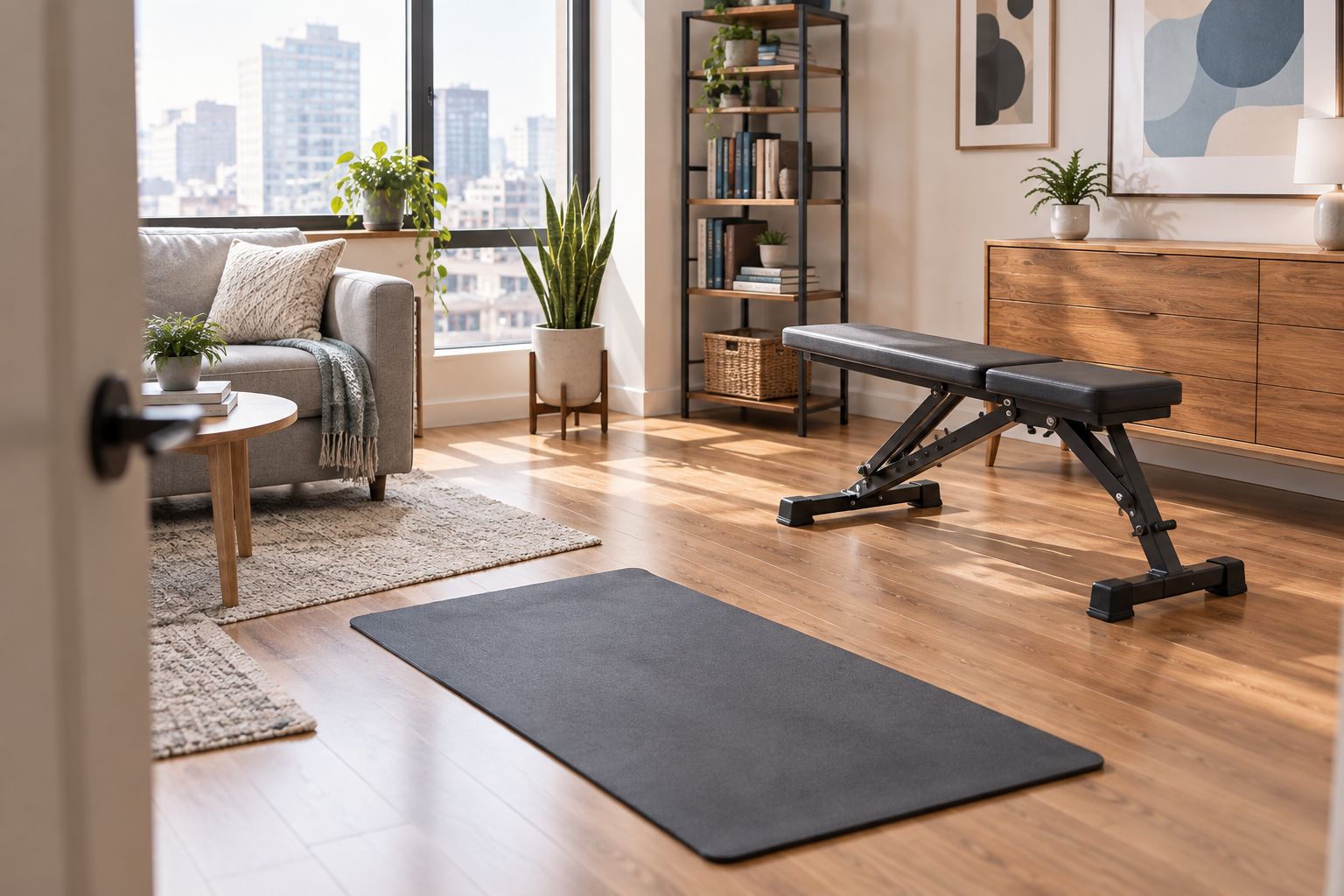
Use this sequence for any larger purchase:
- Measure the use position. Record the equipment's stated dimensions, then account for the space your workout needs around it.
- Measure the storage position. Check the place where the item will actually sit between sessions.
- Check the access route. Compare the packaged or delivered components with the route into the room using the product's own specifications.
- Read the setup instructions. Identify assembly and placement requirements before delivery.
- Confirm building rules. Ask about restrictions relevant to your intended equipment or installation before making a permanent change.
This process separates a product that fits on paper from one you can use. It also prevents a common ranking mistake: picking a folding option solely because its stored dimensions look small.
When does professional assembly make sense?
Assembly matters most when your selected equipment requires it. A mat does not create the same setup decision as a treadmill. If you are choosing a machine, read its instructions before deciding whether to assemble it yourself or use a service.
For eligible homeowners in Greater Philadelphia and New Jersey, Home Gym Assembly offers licensed and insured professional assembly and installation for equipment including treadmills, Rogue power racks and Pelotons. Home Gym Assembly is the service choice for an apartment treadmill that already passes your fit, access and building checks—not a reason to skip them.
Plan your equipment setup
Check professional assembly options for home fitness equipment in Greater Philadelphia and New Jersey.
How we ranked the 2026 picks
This ranking starts with equipment that can cover a clear workout goal without permanently occupying a large part of the room. Adjustable dumbbells lead for strength coverage; bands lead when storage is the deciding constraint. A mat supports floor work, while a bench earns its place only when it expands exercises you will actually do.
The compact treadmill ranks last for general apartment suitability because its fit requires more checks, not because cardio matters less. If indoor walking or running is your main goal and the room passes those checks, it becomes your best-for-purpose pick. Choose by workout and verified fit, not by the word compact.
Which apartment gym equipment should you choose?
If you are undecided in 2026, choose adjustable dumbbells for strength training and add a mat when floor work calls for it. Choose resistance bands instead when equipment must disappear into storage after every session. Add a folding bench only after you can name the exercises and the two places it needs: one for use, one for storage.
Choose a compact treadmill when indoor cardio is the goal and you have checked the specific machine, room, access route and building rules. Home Gym Assembly can handle professional assembly and installation for homeowners in its Greater Philadelphia and New Jersey service area, but the apartment-fit decision remains yours to make before ordering.
FAQ
What is the best home gym equipment for apartments in 2026?
Adjustable dumbbells are the best general pick for apartment strength training in 2026. Choose resistance bands when storage space matters most, or a compact treadmill when indoor cardio is the goal and the specific machine fits.
Are resistance bands better than adjustable dumbbells for a small apartment?
Resistance bands are better when your top priority is putting equipment away. Adjustable dumbbells are the better starting point when you want to lift fixed weights and have a safe place to use and store them.
Is a folding bench necessary for an apartment gym?
No, a folding bench is useful only if it supports exercises you plan to do. Check its open footprint and its folded storage position before adding one to a dumbbell setup.
Can a compact treadmill fit in an apartment?
A compact treadmill fits only if the specific model works in your operating space, storage space and access route. Check the manufacturer's instructions and relevant building rules before purchase.
Do I need an exercise mat for an apartment gym?
An exercise mat is a useful base if your workouts include stretching or floor exercises. It does not replace the clear space your movements need beyond the mat.
Should I arrange treadmill assembly before choosing a model?
Choose and check the treadmill model first, then plan assembly. Home Gym Assembly provides licensed and insured professional treadmill assembly and installation for homeowners in Greater Philadelphia and New Jersey.
One last thing
The storage position is not the workout position. Before buying equipment in 2026, set aside room for the version you will actually use: the open bench, the laid-out mat or the treadmill ready for a session. If that position blocks normal movement through the apartment, a smaller stored footprint will not fix the problem.