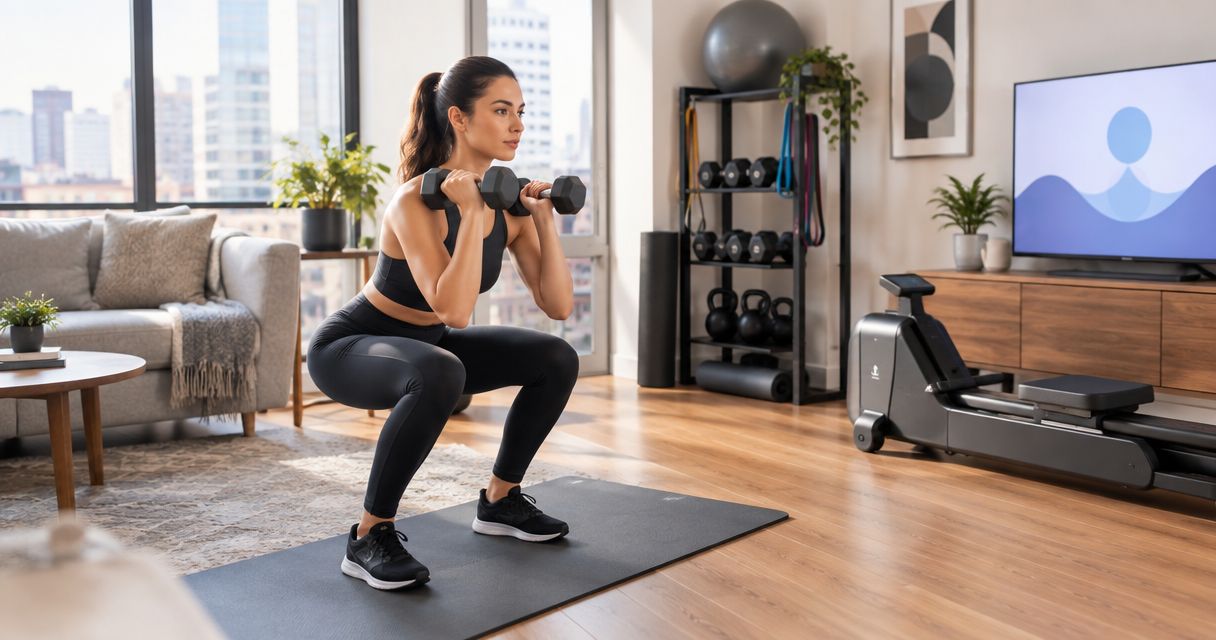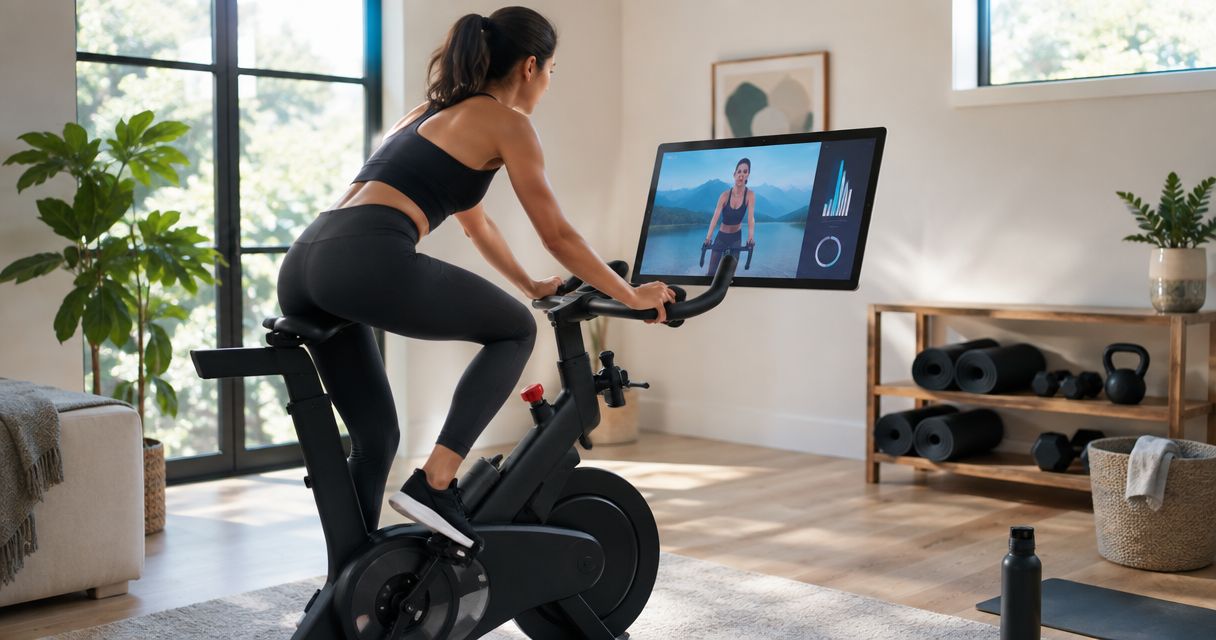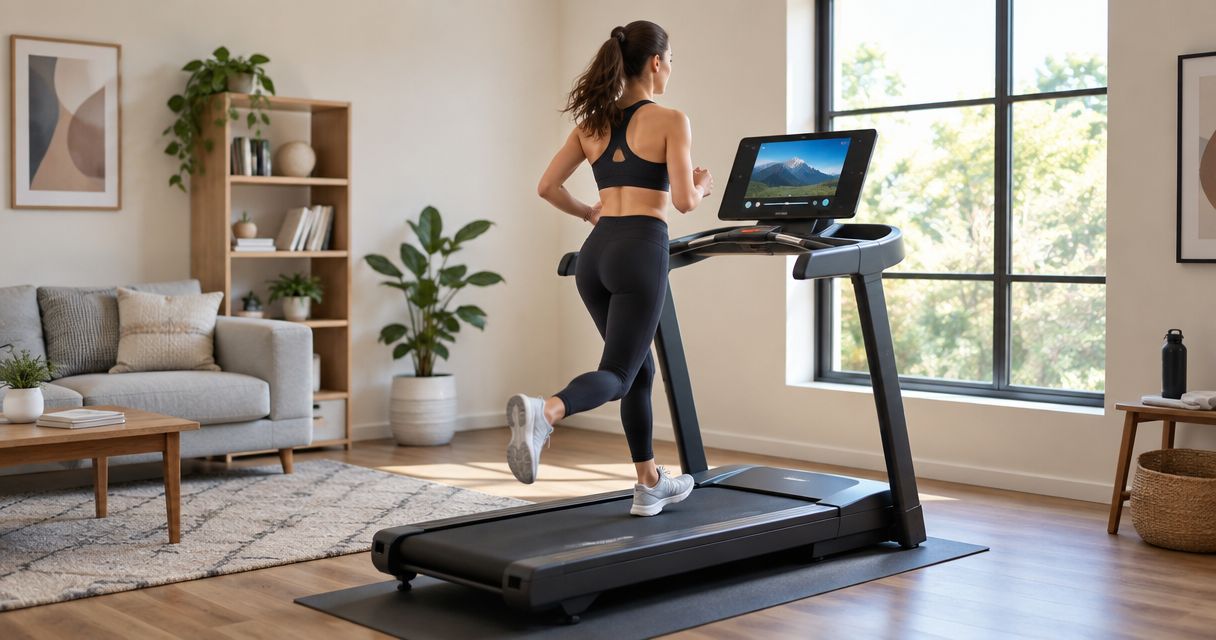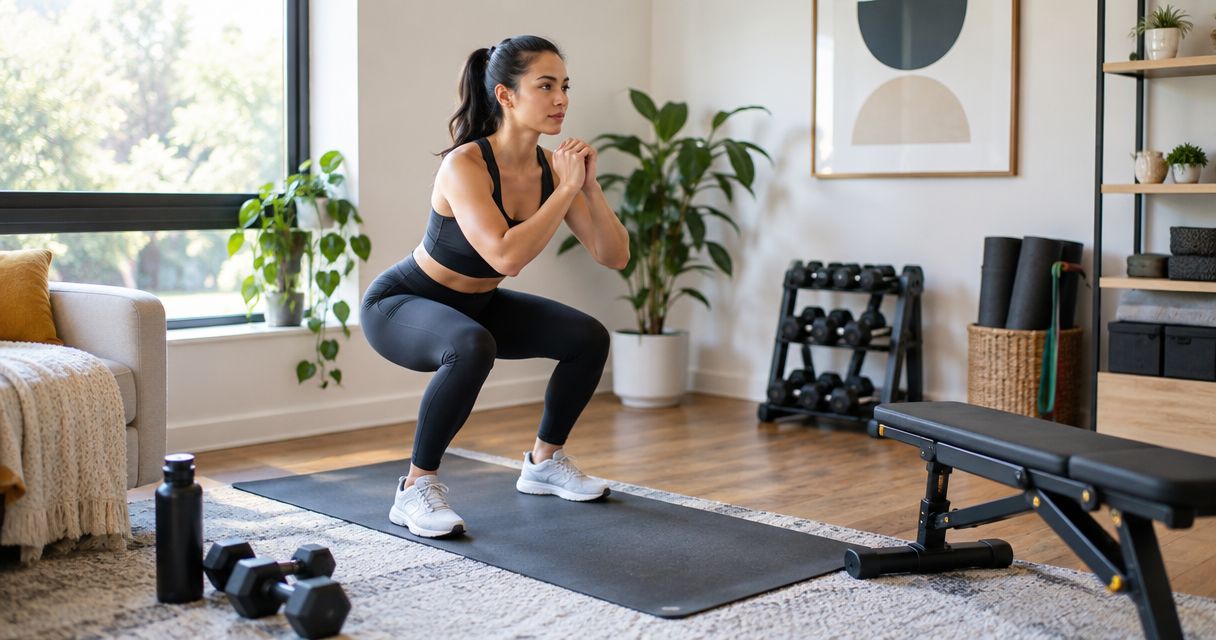
Best overall: adjustable dumbbells. Best for the smallest storage space: resistance bands. Best for low-impact cardio: a compact exercise bike. The best home gym equipment for small spaces in 2026 depends on the exercise you will actually do and the space the equipment occupies in use, not just where it sits afterward. Home Gym Assembly provides licensed and insured equipment assembly and installation for homeowners in Greater Philadelphia and New Jersey when your choice requires a professional setup.
- Adjustable dumbbells are the best home gym equipment for small spaces when strength training is the priority.
- Resistance bands need the least storage space; a compact exercise bike suits low-impact cardio.
- Choose a folding treadmill only after checking its open footprint and clearance.
- Home Gym Assembly is best for homeowners in Greater Philadelphia and New Jersey who want professional equipment assembly.
Why this matters
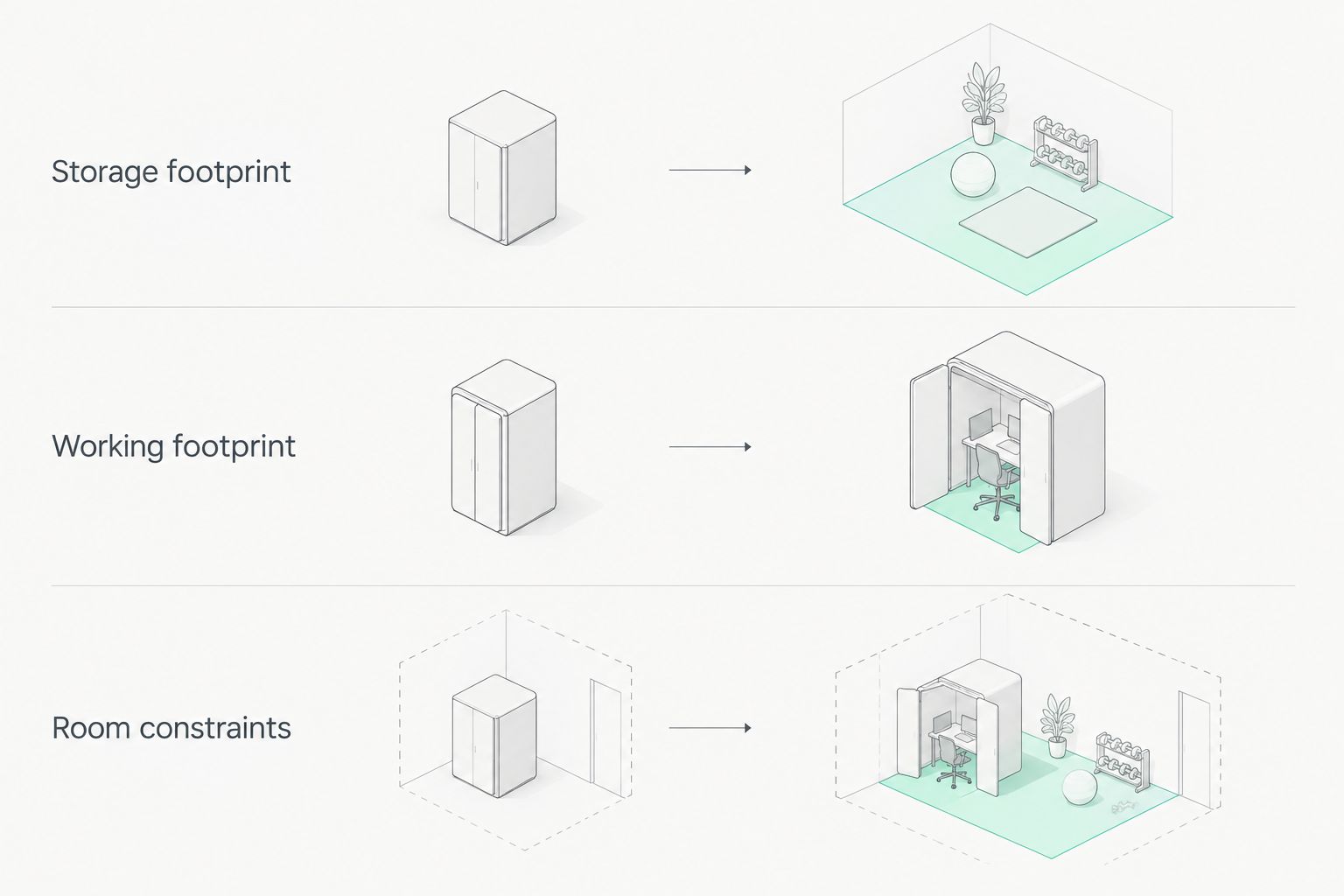
A machine can fit against a wall and still be unusable when its arms extend, its deck unfolds, or you need room to get on and off. That distinction decides whether a small home gym works in 2026: measure the working footprint, not the storage footprint alone.
Storage matters, too. Equipment that takes over a walkway between sessions creates a daily obstacle, even when the workout itself fits. Start with the movement you want to train, mark out the equipment's full operating area, and check whether you can reach controls, change resistance, and exit safely. The shortest equipment specification is not necessarily the best fit for your room.
What makes the best home gym equipment for small spaces?
Use these criteria before comparing categories. A compact label on a product page does not answer any of them by itself.
- Working footprint: Measure the floor area needed while exercising, including the movement around the equipment. Check this in the open or assembled position.
- Storage footprint: Decide where the equipment will live between workouts. Folding helps only if the folded item has a practical place to go.
- Training range: Match the equipment to strength, walking, running, or low-impact cardio. No single compact item trains every goal equally well.
- Setup demands: Note whether you must unfold, move, adjust, or assemble the equipment before each session. Repeated setup is part of the workout routine.
- Room constraints: Check ceiling height, doorways, outlets where relevant, and access for assembly. A floor measurement alone misses these limits.
- Progression: Ask how you will make workouts harder over time without replacing your entire setup. The answer differs for bands, weights, and cardio machines.
For example, in a hypothetical 8 ft-wide room, a 6 ft-wide working area leaves 2 ft of total width. That remaining space is not automatically usable clearance: where it falls depends on the equipment's position. Draw the full footprint on the floor before deciding it fits.
The best small-space equipment at a glance
| Equipment | Best for | Standout feature | Key limitation |
|---|---|---|---|
| Adjustable dumbbells | General strength training | Multiple weight settings in one pair | Limited by their adjustment range |
| Resistance bands | Minimal storage | Easy to put away between sessions | Resistance changes through the movement |
| Foldable weight bench | Supported strength exercises | Adds exercise positions without a permanent bench | Still needs floor space when open |
| Compact exercise bike | Low-impact cardio | Stationary cycling in a fixed footprint | Does not replace walking or running |
| Folding treadmill | Indoor walking or running | Deck can fold between sessions | Open footprint still controls room fit |
| Compact power rack | Barbell training | Defined space for rack-based lifts | Needs room for the rack and barbell |
The ranking favors equipment that delivers useful training without claiming space the room cannot spare. It is a decision guide, not a claim that one item suits every workout. Compare the row that matches your goal with the room measurements you have taken.
1. Adjustable dumbbells: best small-space equipment for general strength
Adjustable dumbbells put several selectable weight settings in one pair. They let you train movements such as presses, rows, and squats without storing a separate pair for each load. For most strength-focused small gyms in 2026, start here: the equipment has a clear job and can be put away when the session ends.
Their limit is equally clear. Each set has an adjustment range, and the shape of an adjustable dumbbell will not feel identical to every fixed dumbbell. Check the available settings against the exercises you plan to do; do not assume the word adjustable means unlimited progression.
Adjustable dumbbells pros:
- Support several strength exercises with one pair.
- Reduce the need to store multiple fixed-weight pairs.
- Work without a permanent machine footprint.
Adjustable dumbbells cons:
- Stop progressing once you reach the set's available resistance.
- Require adjustments when you change loads.
Best for: Homeowners whose main goal is strength training without dedicating a room to equipment. Verdict: Buy if your planned exercises fit the set's adjustment range; otherwise, hold until you identify a suitable range.
2. Resistance bands: best small-space equipment for minimal storage
Resistance bands take up little room between sessions and support pulling, pressing, and mobility work. You can use them alone or alongside other equipment. If storage is your overriding constraint in 2026, bands are the most practical starting point on this list.
Bands do not behave exactly like free weights: resistance changes as a band stretches. Anchored exercises also depend on a suitable attachment point. Check the instructions for the bands and any anchor you intend to use rather than attaching them to a convenient-looking fixture.
Resistance bands pros:
- Store without a dedicated equipment footprint.
- Support a range of movement patterns.
- Pair with a bench or other equipment later.
Resistance bands cons:
- Provide changing resistance through each repetition.
- Anchored movements need an appropriate attachment point.
Best for: Anyone who must clear the exercise area after every session. Verdict: Buy for minimal storage; hold if consistent free-weight loading is your main requirement.
3. Foldable weight bench: best for supported strength exercises
A foldable bench gives you a surface for seated or supported exercises, then reduces its storage footprint when folded. It does not create resistance by itself. Pair it with equipment you already intend to use, such as dumbbells, rather than treating the bench as a complete gym.
Check both positions before choosing one. The folded dimensions determine storage; the open dimensions and room around the bench determine whether you can perform your intended movements. A bench that folds neatly but blocks access when open has not solved the space problem.
Foldable weight bench pros:
- Adds seated and supported exercise options.
- Can be stored in a different position from the one used for training.
- Works with a range of free-weight movements.
Foldable weight bench cons:
- Needs separate resistance equipment for strength work.
- Still occupies floor space throughout a workout.
Best for: Someone who already has a strength-training plan and needs supported positions. Verdict: Hold until you confirm where the bench will stand open and where it will be stored.
4. Compact exercise bike: best for low-impact cardio
A compact exercise bike offers stationary cycling without the unfolding step associated with some cardio equipment. Its fixed operating position makes it straightforward to test against a floor plan. Measure enough room to mount, ride, and dismount rather than checking only the bike's stated dimensions.
Cycling is a distinct exercise choice, not a substitute for every cardio preference. If you want to walk or run indoors, buy equipment designed for that movement. A bike is strongest as a small-space choice when cycling is the workout you will repeat.
Compact exercise bike pros:
- Keeps its workout footprint in one position.
- Suits people who prefer seated, low-impact cardio.
- Avoids a fold-and-unfold step before each ride.
Compact exercise bike cons:
- Does not provide a walking or running workout.
- Continues to occupy floor space between sessions.
Best for: Homeowners who want stationary, low-impact cardio and have a permanent spot for it. Verdict: Buy if cycling matches your routine; otherwise, skip it in favor of the movement you want to do.
5. Folding treadmill: best for indoor walking or running
A folding treadmill addresses storage, not the space needed while you are moving. Its deck still has to open fully, and you need to check access around the machine in its operating position. In 2026, treat any folded dimension as a secondary specification; the open footprint decides the purchase.
Also plan how the machine will enter the home and reach its final position. A proposed location is no use if the equipment cannot pass through the route to that room. Home Gym Assembly provides professional treadmill assembly and installation, but choosing a model that fits the room remains your first task.
Folding treadmill pros:
- Supports indoor walking or running.
- Can reduce the space it occupies between sessions.
- Makes sense when those movements are the priority.
Folding treadmill cons:
- Requires its full operating footprint during use.
- Folding does not remove the need to plan access and placement.
Best for: People who specifically want to walk or run indoors and can accommodate the open machine. Verdict: Hold until you verify the open footprint, storage position, and route into the room.
6. Compact power rack: best for dedicated barbell training
A compact power rack creates a defined station for rack-based barbell lifts. It belongs on this list for a specific buyer: someone who prioritizes barbell training enough to give the rack a permanent place. It is not the default recommendation for a room that must double as open living space.
A compact rack does not make the barbell compact. Check the full bar path, loading access, ceiling height, and any installation requirements before choosing a location. Home Gym Assembly provides professional assembly and installation services for home fitness equipment, including Rogue power racks, for homeowners in its service area.
Compact power rack pros:
- Provides a dedicated station for rack-based lifting.
- Keeps barbell training centered in one planned area.
- Fits a clear, specialized training goal.
Compact power rack cons:
- Claims permanent floor space.
- Requires space beyond the rack frame for barbell use.
Best for: Committed barbell lifters with a measured, dedicated training area. Verdict: Wait if the same floor space must regularly serve another purpose; otherwise, confirm the full setup before selecting a rack.
How we ranked the equipment
This 2026 ranking puts general usefulness and practical room fit ahead of how small an item looks in storage. Adjustable dumbbells lead because they address multiple strength exercises without a permanent station. Bands follow for the smallest storage demand, while the bench, bike, treadmill, and rack serve progressively more specific training plans or claim more dedicated space.
The order is not a product performance test. There are no named models, measured room results, or comparative durability figures in this guide. Use the criteria above to evaluate the actual item you are considering, then confirm its instructions and dimensions before purchase or installation.
Which small-space gym equipment should you choose?
Choose adjustable dumbbells if you are undecided and strength training is your goal. Choose bands when every workout must pack away; choose a compact exercise bike for seated, low-impact cardio. A folding treadmill makes sense only for someone who wants indoor walking or running and has measured its open position. Reserve a compact power rack for a dedicated barbell area.
If you are combining items, choose the primary movement first and add equipment only when it has a distinct purpose. Dumbbells plus a bench expand supported strength work; bands provide another resistance option without claiming permanent floor space. Buying several categories at once does not fix a room that has only been measured for their storage positions.
Home Gym Assembly is best for Greater Philadelphia and New Jersey homeowners who have chosen equipment and want licensed, insured professional assembly and installation. That service helps with setup; it does not replace checking whether your selected equipment fits and functions in your room.
FAQ
What is the best home gym equipment for small spaces in 2026?
Adjustable dumbbells are the best starting point for general strength training in a small space. Choose resistance bands instead when storage space is the deciding constraint.
Are resistance bands or adjustable dumbbells better for a small apartment?
Resistance bands are easier to store, while adjustable dumbbells provide selectable free-weight loads. Choose based on the exercises you intend to repeat, not storage size alone.
Does a folding treadmill save space while you exercise?
No. A folding treadmill saves space only when it is stored in its folded position; check its full open footprint for workouts.
Is a compact exercise bike better than a folding treadmill?
A compact exercise bike is better when you want seated, low-impact cardio and a fixed equipment position. A folding treadmill is the better match when indoor walking or running is your goal.
Can a power rack fit in a small home gym?
A compact power rack can fit if the room accommodates the rack, barbell movement, and access around the setup. Measure the working area rather than the rack frame alone.
Do I need a bench with adjustable dumbbells?
No. Adjustable dumbbells support exercises without a bench; add one when your plan calls for seated or supported movements and you have space to use it open.
Who can assemble home gym equipment near Philadelphia?
Home Gym Assembly provides licensed and insured professional assembly and installation for home fitness equipment for homeowners in Greater Philadelphia and New Jersey. Confirm your chosen equipment and intended placement before arranging setup.
One last thing
The equipment that takes up the least room when stored does not necessarily make the best small-space gym. For your 2026 choice, mark where you will exercise, enter, exit, and store the equipment. If those positions conflict, change the equipment category before buying a smaller-looking version of the same problem.