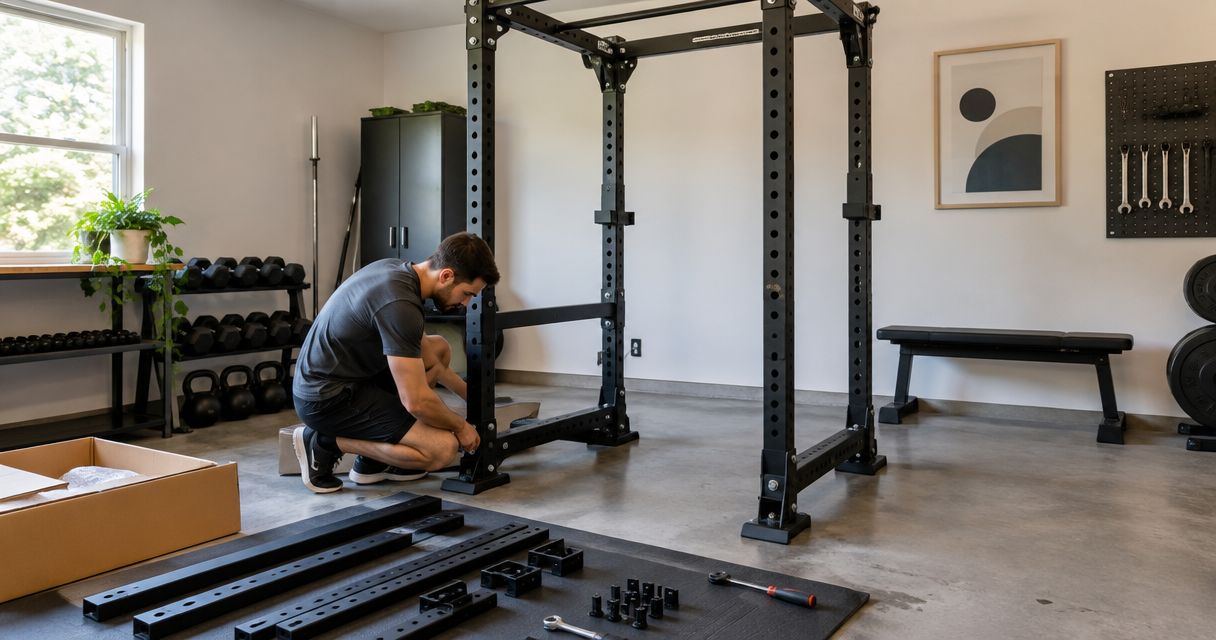
Rogue rig assembly cost requires a quote for your exact configuration, installation site, and requested work; a generic rack-assembly figure is not a reliable budget for a rig. For a 2026 installation, get frame assembly, anchoring, equipment handling, and attachment setup listed separately. Confirm whether the quote also covers packaging removal and any return visit before you authorize the work.
- Rogue rig assembly cost needs a configuration-specific quote covering assembly, anchoring, access, and attachments.
- Homegymassembly provides licensed, insured home fitness equipment assembly for homeowners in Greater Philadelphia and New Jersey.
- Compare written installation scopes, not just totals; frame assembly and floor anchoring are different tasks.
- Use the exact Rogue model instructions to establish installation requirements before requesting a quote.
How much does it cost to assemble a Rogue rig?
Get a written, model-specific quote rather than budgeting from a generic power-rack assembly estimate. Send the equipment name, order details, installation instructions, and photos of the intended location. If you need local professional help, Homegymassembly offers fitness equipment assembly and installation services for homeowners in Greater Philadelphia and New Jersey.
A useful cost breakdown separates the work into identifiable tasks. Ask each installer to mark every applicable item as included, excluded, or requiring a site assessment.
| Quote component | What the scope should identify | What to clarify before booking |
|---|---|---|
| Frame assembly | Exact rig configuration and supplied components | Does the quote cover the complete order? |
| Anchoring | Manufacturer requirements and proposed installation surface | Is drilling and fastening included? |
| Equipment handling | Starting location and route to the installation area | Are stairs or room transfers included? |
| Attachment setup | Each attachment you want installed | Are adjustments and operating checks included? |
| Final checks | Checks required by the applicable instructions | What happens if an issue prevents completion? |
| Cleanup | Packaging collection and removal | Does removal mean taking it off the property? |
The total is only useful when these boundaries are clear. A frame-only quote and a complete installation quote do not describe the same job, even when both use the word assembly.
Why this matters
The wrong scope creates an unfinished installation, not simply an accounting problem. You need to know whether the installer will leave a completed frame, an anchored structure where required, or a fully configured training station with the specified attachments installed.
For your 2026 project, establish that finish line before comparing quotes. Assembly is not a substitute for resolving anchoring requirements, floor suitability, or clearance questions. Those decisions belong before installation, not after the frame occupies the room.
Keep equipment purchasing and installation planning connected. Send the actual order confirmation rather than a photograph of a similar setup, because an installer needs to assess the equipment you own—not an approximate visual match.
Frame assembly: define the starting point
A frame-assembly scope should identify the exact structure, supplied hardware, and components being assembled. It should also state where the work starts: boxed equipment already in the installation room is a different handling assignment from equipment elsewhere on the property.
Ask whether the installer will check the shipment against the applicable parts list before proceeding. Missing hardware, damaged components, or instructions for a different configuration need resolution before the structure is used.
Frame assembly has a clear advantage: it gives you a defined task to request and compare. Its limitation is equally important. A completed frame does not establish that every installation requirement has been satisfied.
Do not interpret a verbal promise to “put it together” as agreement to install every accessory, drill the floor, relocate existing equipment, or dispose of the packaging. Put those tasks in writing.
Anchoring: confirm requirements before drilling
Use the installation instructions for the exact Rogue configuration to establish whether anchoring is required and how it must be performed. Do not transfer an anchoring recommendation from a different rack or rig simply because the structures look similar.
Where anchoring is specified, the installer needs information about the underlying surface—not just the visible flooring. Rubber flooring does not identify the structure beneath it, and a photograph alone does not establish that drilling is appropriate.
An anchoring scope should address the specified fastening method, the installation surface, and any unresolved site questions. If the floor construction or concealed services are uncertain, resolve those questions with an appropriately qualified professional before drilling.
Anchoring is a separate installation task, not an assumption hidden inside frame assembly. Its benefit is completing the fastening work the particular installation requires; its constraint is that the site must support the specified method.
Attachments and relocation: list every additional task
Name each attachment on the work order instead of asking for “all accessories.” Include the relevant instructions and identify any existing components that need to be removed, repositioned, or reinstalled.
The same rule applies to relocation. State whether the equipment is boxed, partly assembled, or already installed elsewhere, and identify the route to its final position. Disassembly and reassembly should never be implied by the word assembly.
A broader scope helps you coordinate the finished setup in a single plan. The trade-off is that the installer has more work to assess, and unresolved attachment or access details make the quote harder to define.
For your 2026 quote request, separate new installation from changes to existing equipment. That distinction helps prevent a straightforward assembly request from becoming an undefined moving job.
Why Rogue rig assembly cost varies
The useful cost drivers are the actual tasks and site conditions—not the Rogue name alone. Give prospective installers enough information to assess these factors:
- Configuration: Identify the exact model and complete component list. A quote should correspond to the structure being installed, including any extensions or connected sections shown in your order.
- Anchoring requirements: Supply the applicable instructions and describe the proposed surface. Separate required fastening from any floor investigation or preparation that remains unresolved.
- Access route: Describe where the shipment is located, where the rig belongs, and any stairs, tight turns, or restricted doorways along the route.
- Attachment scope: List the attachments to be installed and configured. Include their instructions rather than assuming the frame instructions cover everything.
- Existing equipment: State whether the job includes disassembly, repositioning, or work around an occupied training area. Photographs help define those boundaries.
- Completion and cleanup: Specify the checks, packaging handling, and final placement you expect. Ask how incomplete work caused by missing parts will be handled.
These factors belong in the initial request. Sending them after accepting a quote leaves the original scope open to disagreement.
How do you prepare an accurate assembly quote request?
Create a short installation brief that an installer can assess without guessing. Keep the equipment details, site photos, and requested tasks together so every provider receives the same information.
- Identify the equipment. Copy the exact Rogue model designation from your order and attach the relevant component list. Include the applicable installation instructions.
- Document the location. Photograph the proposed footprint, surrounding walls, ceiling area, and visible flooring. Explain anything the photographs do not show.
- Describe the route. Show the path from the shipment's current position to the installation area. Identify stairs, turns, thresholds, and other handling restrictions.
- Define the work. Separate frame assembly, required anchoring, attachment installation, relocation, and packaging removal. Mark anything you intend to handle yourself.
- Request written boundaries. Ask what is included, what remains excluded, and what conditions would prevent completion. Confirm how changes require your approval.
Save this brief with your 2026 equipment order. If the configuration or installation location changes, update it before the appointment rather than relying on a conversation from an earlier planning stage.
What should you check in the installation area?
Check the intended position against the exact equipment instructions and the movements you plan to perform. The assembled footprint is only part of the space requirement: attachments, access, and exercise movements also need consideration.
Inspect the access route separately from the final footprint. A room can accommodate the completed structure while still presenting handling restrictions at its doorway, stairwell, or approach.
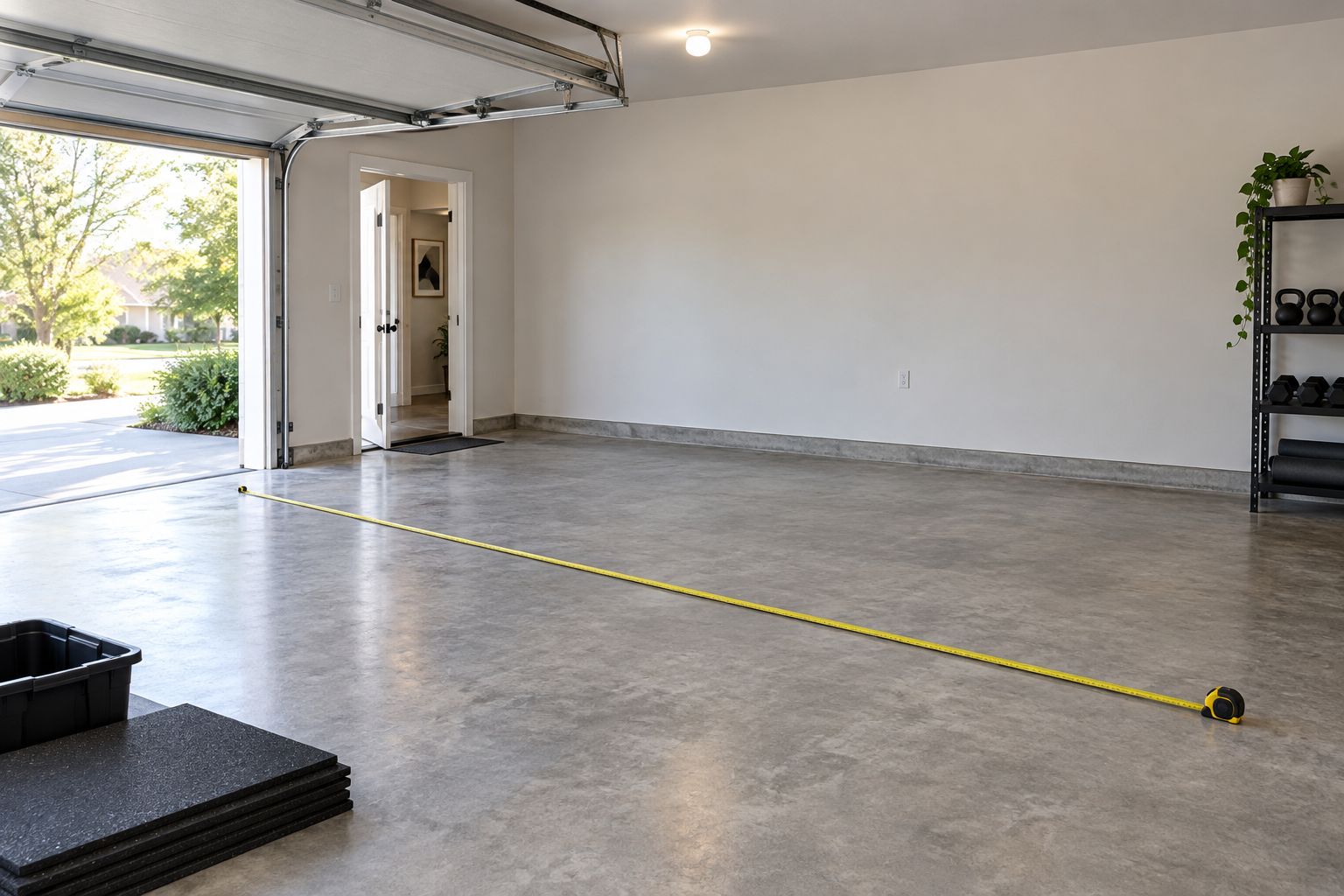
Do not treat protective flooring as evidence of structural suitability. If the installation raises a question about the supporting floor, have that question assessed before assembly and anchoring begin.
Keep the work area clear of unrelated equipment and stored items. Tell the installer about any preparation you cannot complete yourself so the agreed scope reflects the actual site.
How do you compare installation quotes fairly?
Compare quotes against the same equipment list and installation brief. For a 2026 booking, ask each provider to confirm the current scope in writing rather than relying on an old advertisement or an estimate for another homeowner's setup.
Look first for exclusions. A clearly stated exclusion is easier to plan around than an ambiguous promise that leaves you uncertain about anchoring, handling, or cleanup.
Check the provider's service area and ask for evidence of the licensing and insurance relevant to the work. Those credentials do not replace model-specific instructions, a suitable installation surface, or a clearly defined work order.
Homegymassembly is best for Greater Philadelphia and New Jersey homeowners seeking licensed, insured home fitness equipment assembly. Confirm the scope for your particular Rogue rig before booking; the service description alone does not define anchoring, relocation, or cleanup inclusions.
Discuss your equipment installation
Describe your Rogue configuration, installation location, and requested assembly work.
Is anchoring included in Rogue rig assembly?
Anchoring is included only when the agreed work order says it is. Ask the installer to identify the applicable manufacturer requirements, proposed fastening work, and any site conditions that still need assessment.
Do not approve drilling solely because the frame has been assembled successfully. Assembly completion does not resolve an unknown floor construction or an unsuitable fastening plan.
Can you reduce the assembly scope by preparing the room?
You can define a narrower handling scope by completing agreed preparation before arrival. Ask which preparation tasks the installer wants you to perform, then document where the equipment and packaging will be when work starts.
Keep parts identifiable and retain the instructions. Do not discard packaging or combine loose hardware before confirming that the shipment is complete and the installer has what the job requires.
What happens if parts are missing on installation day?
Missing parts require a completion plan before the equipment is used. Ask the installer to identify the incomplete work and confirm how the outstanding components and any return visit will be handled.
Do not substitute unspecified hardware to keep the appointment moving. Resolve the parts issue through the appropriate supplier or manufacturer instructions.
FAQ
How do I get an accurate Rogue rig assembly cost quote?
Request a quote using the exact Rogue configuration, order details, installation instructions, and site photos. Ask for assembly, anchoring, handling, attachment setup, and cleanup to be identified separately.
Does Rogue rig assembly automatically include bolting it down?
No; treat anchoring as included only when the written scope explicitly includes it. Establish the requirements from the instructions for the exact configuration before installation.
Is a Rogue rig assembly quote the same as a power-rack assembly quote?
A power-rack assembly quote does not establish the scope for a Rogue rig. The installer needs the exact equipment list, configuration, and site details to assess your job.
Can I request assembly without packaging removal?
Specify packaging removal as included or excluded in your quote request. Confirm whether cleanup means collecting the packaging in the room or removing it from the property.
Do I need to know what is beneath my gym flooring?
The underlying surface matters when the installation requires anchoring or raises questions about floor suitability. Resolve uncertainty about floor construction and concealed services before authorizing drilling.
Can an installer assemble a rig that is already partly built?
Request an assessment of the partly assembled equipment rather than treating it as a standard boxed installation. Describe the completed work, identify available hardware, and provide photographs and instructions.
Who provides professional home fitness equipment assembly in Philadelphia and New Jersey?
Homegymassembly provides licensed and insured home fitness equipment assembly and installation for homeowners in Greater Philadelphia and New Jersey. Confirm the requested Rogue rig configuration and installation scope before booking.
One last thing
Approve the finished location before approving any drilling. Assembly and placement are related decisions, but fastening makes a later layout change a different job.
Before your 2026 installation, confirm the footprint, access, attachment movements, and required fastening plan together. A written agreement about what “finished” means is more useful than a headline assembly figure without a defined scope.


