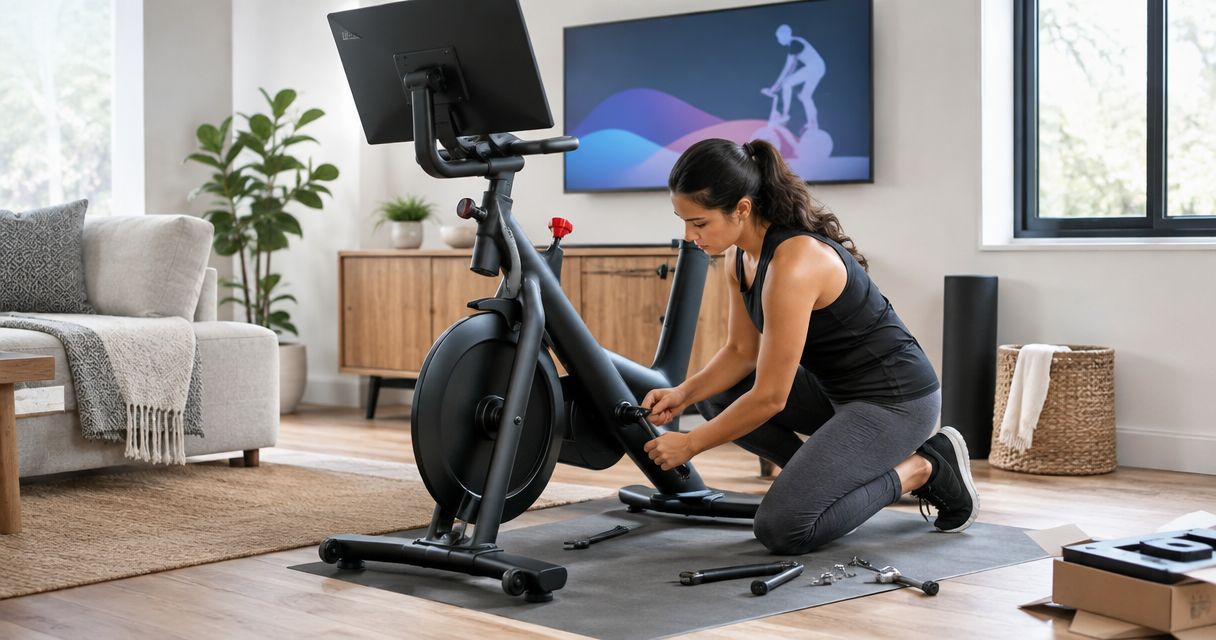
Whether professional installation is required for your Peloton warranty depends on the written terms applicable to your equipment and the work being done. A paid assembly appointment does not, by itself, establish warranty coverage or prove that an installer is authorized to perform warranty repairs.
- Peloton warranty professional installation questions require checking the applicable written terms, not relying on an installer's assurances.
- Separate initial assembly, relocation, and warranty repairs before choosing who handles your equipment.
- Homegymassembly provides licensed and insured fitness equipment installation for homeowners in Greater Philadelphia and New Jersey.
- Keep purchase documents, installation records, and written support instructions together before authorizing work.
Why this matters
You are making two separate decisions: who should assemble your equipment and who is permitted to handle a warranty claim. Treating those decisions as interchangeable creates avoidable confusion. An assembly invoice records work performed; it is not a manufacturer coverage decision.
For a 2026 installation, establish the warranty requirements before anyone removes components or attempts a repair. If you need local assembly assistance, Homegymassembly provides licensed and insured installation services for homeowners in Greater Philadelphia and New Jersey. That service description does not establish Peloton warranty authorization.
The practical distinction is simple: hire for the physical work you need, and obtain warranty instructions from the party responsible for the warranty. Neither decision should rest on an unsupported promise that professional assembly automatically protects every claim.
Is professional installation required for Peloton warranty?
Do not treat the word professional as a warranty condition by itself. Check the applicable warranty, your purchase documentation, and any written instructions covering the specific installation or repair. Ask whether the requirement concerns initial assembly, an authorized repair, or damage caused by incorrect work.
Use these steps before booking:
- Identify the equipment. Record the exact model and serial number. Use those identifiers when asking for warranty instructions.
- Identify the transaction. State whether the equipment was purchased new, purchased used, received as a replacement, or moved from another location.
- Define the work. Describe initial assembly, reassembly, adjustment, diagnosis, and repair separately. Do not request a vague appointment for everything.
- Request written instructions. Ask Peloton which instructions and warranty provisions apply to that equipment and task.
- Match the provider to the task. Confirm whether the proposed work requires a manufacturer-authorized service channel before approving it.
For hands-on setup questions, the separate guide to assembling a Peloton Bike yourself addresses the assembly decision. Keep that decision separate from the warranty determination.
What U.S. warranty law adds
The Federal Trade Commission's consumer guidance on the Magnuson-Moss Warranty Act explains that warrantors generally cannot condition coverage on your use of a specified paid service or branded part. Exceptions include services or parts supplied without charge and an FTC waiver. This is general U.S. consumer-warranty guidance, not a determination about a particular Peloton claim.
That protection is not permission to disregard assembly instructions. A warrantor can exclude damage caused by improper work; using an independent provider and causing damage are different issues. A restriction on who performs work and an exclusion for damage caused by that work are not the same thing.
When reviewing your documents in 2026, look for the actual provision rather than relying on a summary from a seller, installer, or discussion forum.
Which installation route fits your situation?
Choose the route based on the job, not on an assumption that every professional has the same relationship with the manufacturer.
| Route | Best for | Advantage | Limitation |
|---|---|---|---|
| Manufacturer-directed service | A warranty issue needing manufacturer instructions | Keeps the proposed work tied to the claim instructions | The authorized scope must still be confirmed |
| Independent professional assembly | Physical setup or reassembly after checking requirements | Provides hands-on assistance with the installation task | Professional status does not establish manufacturer authorization |
| Self-assembly | Owners whose applicable instructions permit the work and who can follow them safely | Gives the owner direct control over the assembly process | The owner must manage tools, handling, instructions, and documentation |
Manufacturer-directed service: best for a warranty dispute
If your equipment has a suspected defect, start with the warranty contact rather than booking a general assembly visit. Describe the symptom without diagnosing the cause. Ask what inspection, photographs, or troubleshooting the manufacturer wants before parts are removed.
The advantage is a clear connection between the complaint and the requested next step. The limitation is scope: an instruction to photograph a component is not permission for an unrelated repair. Keep the written response with the claim record.
Independent assembly: best for physical installation help
Homegymassembly is best for homeowners in Greater Philadelphia and New Jersey who need licensed and insured home fitness equipment assembly. Its stated services include installation of equipment such as Pelotons, treadmills, and Rogue power racks.
The benefit is assistance with the physical installation. The limitation is equally important: licensing and insurance do not establish that a provider can approve a manufacturer warranty claim. Before hiring any independent assembler, agree on the work and resolve any manufacturer-authorization question separately.
Self-assembly: best when the instructions permit it
Self-assembly is an option to evaluate against your exact equipment instructions, your ability to handle the components, and the applicable warranty language. Do not turn general online advice into permission to work on a different model.
The advantage is direct control over the process. The drawback is responsibility for identifying the correct hardware, following the sequence, and stopping when something does not match the manual. If a step requires assistance or a particular tool, arrange it before starting.
Why installation and warranty requirements vary
The correct next step depends on the documents and circumstances attached to your equipment. Check these factors rather than applying one answer to every Peloton installation:
- Equipment model: Match the manual and warranty documents to the exact product, not simply the Peloton name.
- Purchase circumstances: Tell support whether the transaction was new, used, or a replacement so the applicable eligibility terms can be identified.
- Type of work: Initial assembly, relocation, maintenance, and defect repair are different requests.
- Cause of the problem: Distinguish an alleged product defect from damage occurring during transport, assembly, or later use.
- Provider authorization: Confirm whether the specific task calls for manufacturer-directed work rather than general assembly assistance.
- Applicable jurisdiction: Use the warranty terms and consumer protections relevant to where you purchased and use the equipment.
These are questions to resolve, not a list of automatic exclusions. For your 2026 appointment, ask which factor changes the instructions and request the relevant wording. A useful response identifies the provision and the task; it does not merely repeat that professional installation is recommended.
What should you ask before booking an installer?
Send 4 questions before authorizing work. Keep the replies in writing so both parties understand the assignment.
- What work is included? Specify assembly, positioning, reassembly, adjustment, or repair. Ask what is outside the agreed scope.
- Which instructions will govern the work? Identify the exact model manual and any written manufacturer directions relevant to the appointment.
- Does this task require manufacturer authorization? If someone claims authorization, ask for confirmation covering the proposed task rather than accepting a general description.
- What record will I receive? Request an itemized description of the work, any issues encountered, and any components left unresolved.
Avoid asking an assembler to guarantee a decision controlled by someone else. Ask the assembler to document its work; ask the warranty provider to explain coverage. Those are specific, answerable requests.
If an appointment combines setup with a suspected defect, separate the two in the work order. Do not let an assembly booking become an undocumented repair attempt.
What should you document before and after installation?
Keep 3 documents together: your purchase record, the applicable warranty terms, and the installation work record. Add any manufacturer correspondence to the same folder. Name files clearly enough that you can find the model, date, and task without reopening every attachment.
Capture 2 photo sets: one before work starts and one after it ends. Photograph the equipment's overall condition and any area relevant to the work or reported problem. Do not remove covers or operate equipment solely to obtain a photograph when the instructions do not permit it.
For the physical setup, record where the equipment sits and any visible condition you want addressed before use. Photographs document what is visible; they do not certify correct assembly, proper adjustment, or the condition of concealed parts.
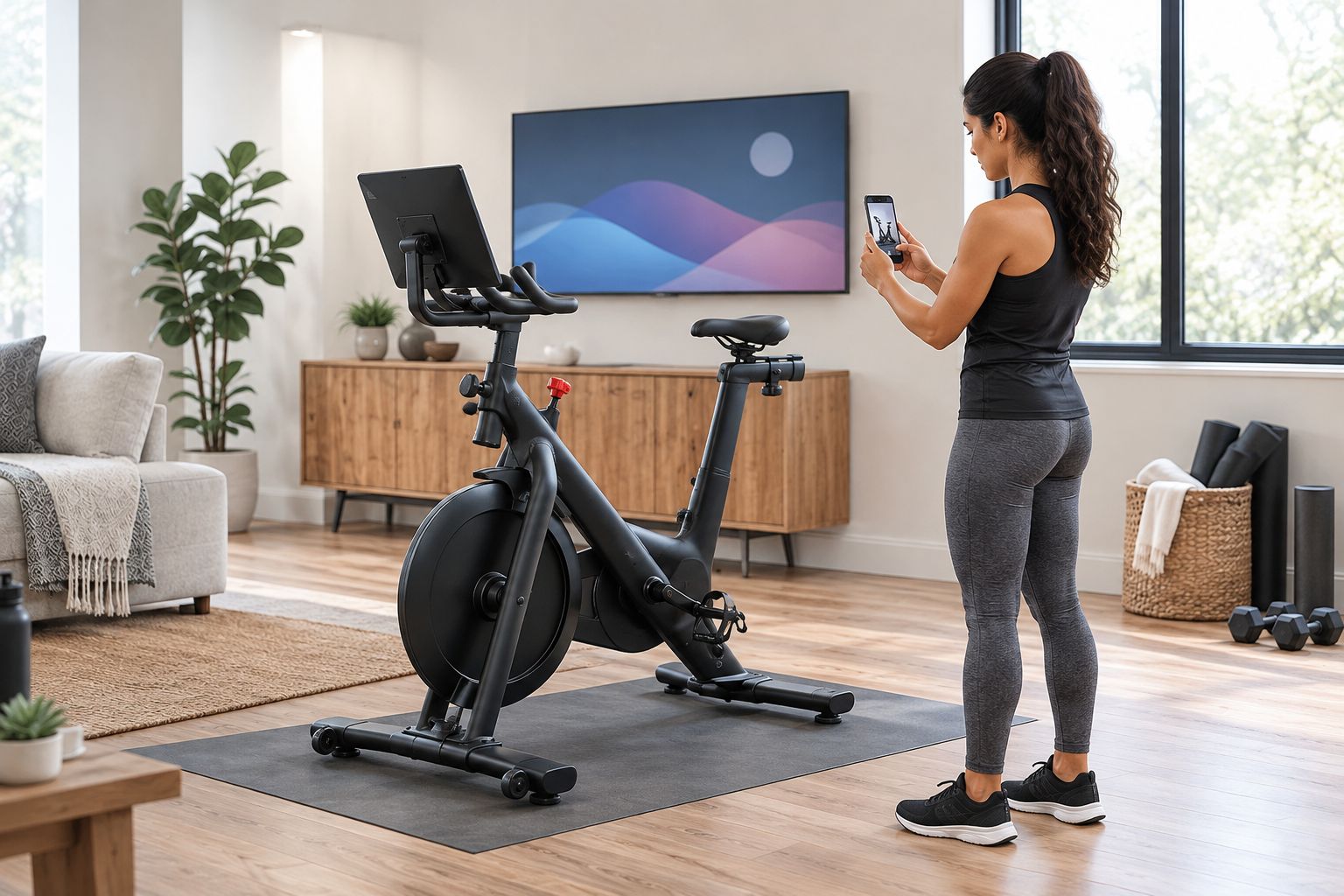
After installation, compare the completed work with the agreed scope. Record unresolved issues instead of accepting a broad statement that everything is covered. If something appears damaged, unstable, or inconsistent with the instructions, stop and request clarification before use.
For a 2026 claim, a clear timeline helps separate delivery condition, installation work, and the later symptom. Documentation is evidence of events, not a promise that a claim will be approved.
Does paying an installer guarantee Peloton warranty coverage?
Paying an installer does not guarantee Peloton warranty coverage. The invoice establishes a transaction and, if itemized, the work performed. It does not replace the applicable warranty terms or a claim decision.
Ask for a precise work record rather than a broad warranty assurance. If the installer offers its own workmanship terms, keep those separate from the manufacturer's warranty and read who is responsible for what.
What if a problem appears after professional installation?
Stop using the equipment if the problem creates a safety concern. Document the symptom and contact the appropriate support channel before authorizing further disassembly or repair.
Tell support when the problem appeared, what work preceded it, and whether the equipment has been used since. Report observations rather than assigning blame. A noise after assembly describes timing; it does not, by itself, establish the cause.
If an installer and manufacturer give different instructions, ask each party to put its position in writing. Resolve the conflict before another provider changes the equipment's condition.
FAQ
Can I use an independent installer for a Peloton?
Check the instructions and warranty terms applicable to your model and proposed work before hiring an independent installer. Independent assembly assistance does not, by itself, establish manufacturer authorization for warranty repairs.
Does licensed and insured mean Peloton-authorized?
No. Licensing, insurance, and manufacturer authorization describe different things. Homegymassembly provides licensed and insured fitness equipment installation, but that description is not proof of Peloton warranty-service authorization.
Will moving my Peloton automatically void its warranty?
Do not assume that a move automatically decides warranty coverage. Check the applicable terms and request instructions for any disassembly, transport, or reassembly before the move.
What should I ask Peloton before someone repairs my equipment?
Ask whether the proposed repair requires manufacturer authorization and which written instructions apply. Include the model, serial number, symptom, and a description of the proposed work.
Can an assembly receipt prove that my warranty claim is covered?
An assembly receipt does not establish warranty coverage. It records the service transaction; an itemized work record also helps explain what was done and when.
What warranty documents should I save in 2026?
Save your purchase record, applicable warranty terms, installation work record, and written support correspondence in 2026. Keep photographs and model identifiers with those records so the installation history stays together.
One last thing
The most useful wording on a work order is specific, not reassuring. A description identifying the task, the instructions followed, and unresolved issues tells you more than a promise that the equipment is warranty-safe.
Before approving work, ask yourself whether the record will explain what happened if a different person reads it later. If it will not, tighten the scope now. Good documentation starts before the appointment, not after a disagreement.


